- Home /
- Basketball /
- Pba
PBA — Asia’s First Professional Basketball League
Discover the Philippine Basketball Association (PBA) — Asia’s first pro basketball league. Learn its history, executives, rivalries, and championship legacy.
The Philippine Basketball Association (PBA Philippines) was founded on April 9, 1975, making it the first professional basketball league in Asia and the second‑oldest in the world after the NBA. Its creation was a bold move by team owners who wanted independence from the amateur system of the Manila Industrial and Commercial Athletic Association (MICAA). By establishing a professional league, they gave Filipino players the chance to compete at a higher level while being compensated fairly.
The league’s first game was played at the Araneta Coliseum, and from the start, the PBA embodied the Filipino passion for basketball. Its vision was clear: to create a sustainable professional competition that would showcase local talent, entertain fans nationwide, and elevate the Philippines’ status in the global basketball community
Recent Post
Follow Us

Jordon Varnado made a memorabl...
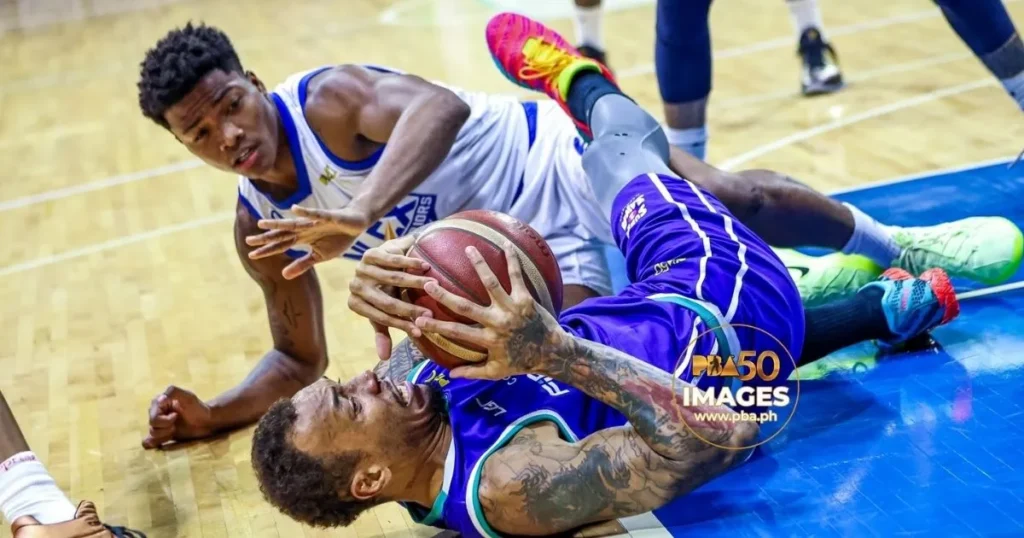
Cameron Clark delivers a monst...

Jerom Lastimosa delivers a sta...

Rodney Brondial controls the g...

Calvin Abueva shines with a do...

Ljay Gonzales leads the Road W...

Ian Sangalang powered Magnolia...
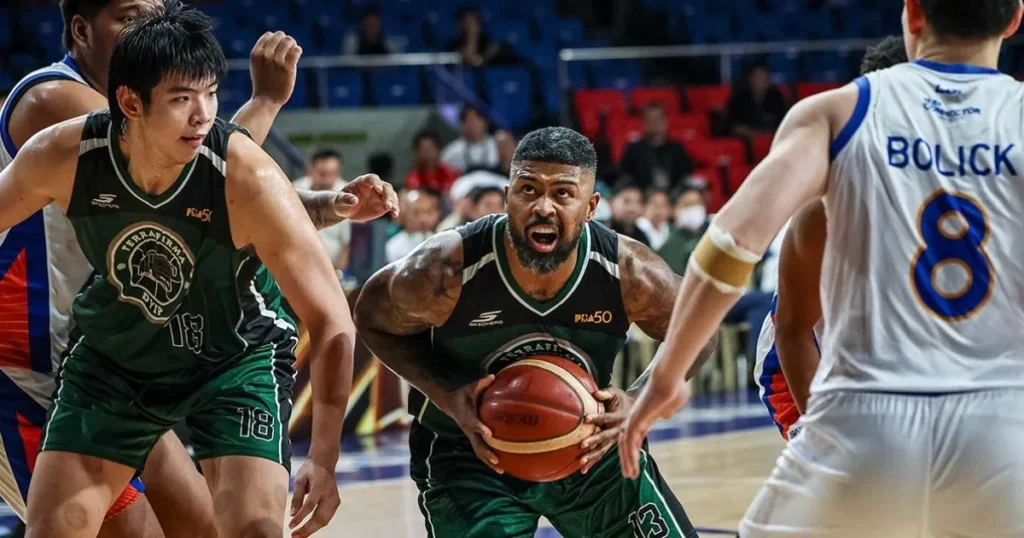
Maverick Ahanmisi led Terrafir...

Sedrick Barefield and Kentrell...
PBA Executives and Leadership
Strong governance has always been central to the PBA’s success. The PBA executives and leadership have guided the league through decades of change. Leopoldo Prieto served as the first commissioner, while Emerson Coseteng became the first president of the Board of Governors. Today, Commissioner Willie Marcial oversees the league, ensuring that its traditions remain intact while adapting to modern challenges.
Leadership has been tested through controversies, expansions, and even the COVID‑19 pandemic. Yet, the executives consistently reinforced integrity, fairness, and innovation. Their decisions — from introducing new conferences to implementing stricter eligibility rules — have shaped the PBA into a respected institution.
Structure and Expansion of Asia’s First Professional Basketball League
The PBA season is divided into three conferences: the Philippine Cup championship, the Commissioner’s Cup, and the Governors’ Cup. Each conference crowns its own champion, and winning all three in a single season earns a team the rare distinction of a Grand Slam.
Unlike regional leagues, the PBA is composed of twelve corporate‑owned franchises. Teams represent brands rather than geographic locations, a structure that has allowed companies like San Miguel Corporation and the MVP Group to maintain long‑term involvement. This format has ensured financial stability while giving fans iconic teams such as Barangay Ginebra San Miguel, San Miguel Beermen, and TNT Tropang Giga.
Historic Rivalries and Legacy
The PBA’s history is defined by unforgettable rivalries. The Crispa vs. Toyota battles of the 1970s remain legendary, drawing massive crowds and cementing basketball’s place in Filipino culture. In later decades, Barangay Ginebra’s “never say die” spirit created intense matchups against Purefoods, Alaska, and San Miguel.
The modern era features the Manila Clasico, the rivalry between Barangay Ginebra and Magnolia, which continues to captivate fans. These rivalries are more than just games; they are cultural events that unite communities and spark national conversations.
The San Miguel Beermen, with 31 titles, stand as the most successful franchise. Their dominance across all conferences, including a Grand Slam in 1989, highlights the competitive excellence of the league.
Professional Era and Global Recognition
The PBA’s recognition as Asia’s first professional basketball league gave it international credibility. In 1989, FIBA allowed professionals to compete in sanctioned tournaments, enabling PBA players to represent the Philippines in events like the Asian Games. This milestone elevated the league’s reputation and showcased Filipino talent on the global stage.
The PBA also introduced innovations to keep the game exciting. In 2024, the league implemented a four‑point shot, making it one of the few professional leagues worldwide to adopt such a rule. These changes reflect the executives’ willingness to adapt while preserving the league’s identity.
Challenges and Integrity in PBA Governance
Like any major sports league, the PBA has faced challenges. Issues such as player eligibility controversies, declining attendance, and game‑fixing rumors tested its credibility. The PBA executives and leadership responded with strict measures, reinforcing transparency and accountability.
During the COVID‑19 pandemic, the league operated in a bubble setup to ensure safety while keeping the competition alive. This resilience demonstrated the PBA’s commitment to its fans and players, even in the most difficult circumstances.
Community and Impact
Beyond the games, the PBA has had a profound impact on Philippine society. Its developmental league, the PBA D‑League, nurtures young talent and provides a pathway to the professional stage. The league also engages in community programs, hosting provincial games to bring basketball closer to fans outside Metro Manila.
Basketball in the Philippines is more than a sport; it is a cultural phenomenon. The PBA has played a central role in shaping this identity, inspiring generations of athletes and fans. Its influence extends to grassroots programs, collegiate basketball, and even international representation.
Looking Ahead — Future of the Philippine Basketball Association
With Commissioner Willie Marcial at the helm, the PBA continues to evolve. Plans include building a dedicated PBA arena in Metro Manila, expanding digital coverage, and strengthening grassroots initiatives. The league aims to balance tradition with innovation, ensuring that it remains relevant in a rapidly changing sports landscape.
The Philippine Cup championship will continue to be the crown jewel of the season, while the Commissioner’s and Governors’ Cups provide opportunities for international imports to showcase their skills. By maintaining this structure, the PBA preserves its unique identity while embracing global trends.
For more details, visit the official MPBL website: https://www.pba.ph/